
Luck or skill which truly drives success in gambling
Luck or skill which truly drives success in gambling
The Role of Luck in Gambling
Luck is often seen as the primary driving force behind success in gambling. It is a concept deeply ingrained in the culture of gambling, where players believe that chance plays a pivotal role in determining outcomes. For instance, in games of pure chance like roulette or slots, the outcome relies solely on luck. Players engage in these games with the hope that fortune will favor them, often celebrating unexpected wins as a stroke of luck. This randomness can lead to emotional highs, drawing players back for more, regardless of skill level. To explore more about this fascinating topic, you can visit https://spinstation-uk.com/.
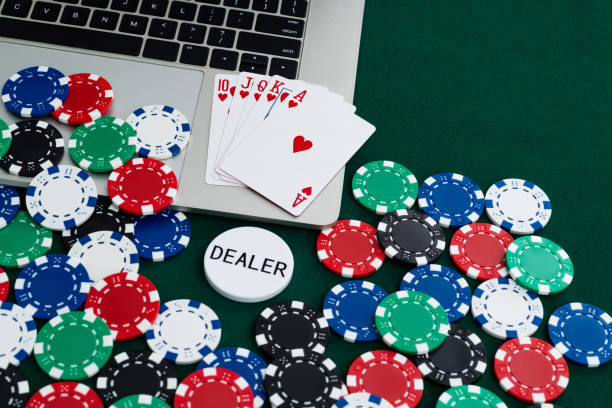
Moreover, cultural beliefs surrounding luck vary widely across different societies. In some cultures, certain rituals or superstitions are believed to influence luck. For instance, carrying a lucky charm or performing a specific gesture before placing a bet can enhance players’ confidence. While these beliefs may not change the odds, they create a psychological advantage. Players who believe in their luck often feel more positive and engaged, which can impact their overall gambling experience, even if luck is the only factor at play.
While it is easy to attribute wins to luck, it is essential to recognize that luck is unpredictable and transient. The nature of gambling means that while a player might experience streaks of good fortune, such success is not guaranteed. This unpredictability can lead to significant losses, emphasizing that luck alone does not ensure consistent success. Thus, while luck plays a role, it remains just one aspect of the complex world of gambling.
The Importance of Skill in Gambling
Contrary to the belief that luck is the sole determinant of success in gambling, skill undeniably plays a crucial role, especially in games that require strategic thinking and decision-making. Games like poker and blackjack involve a combination of chance and skill, where players must analyze their opponents and make informed choices based on probabilities. Skilled players can leverage their understanding of the game’s mechanics to minimize losses and maximize wins, highlighting the importance of skill in these contexts.
Moreover, skillful players often employ various strategies to gain an edge. In poker, for instance, understanding bluffing techniques, pot odds, and player tendencies can significantly enhance one’s chances of winning. This strategic approach allows skilled players to navigate the complexities of the game more effectively than novices, who may rely solely on luck. As a result, skill becomes a vital element for consistent success, making it imperative for players to continuously learn and improve their game.
Furthermore, the psychological aspect of gambling adds another layer where skill is essential. Experienced players often exhibit discipline and emotional control, allowing them to make better decisions under pressure. The ability to manage one’s bankroll effectively, recognize when to walk away, and remain calm during losing streaks can differentiate a successful player from one who relies purely on luck. Therefore, while luck can provide momentary wins, skill lays the foundation for long-term success in gambling.
The Balance Between Luck and Skill
In the world of gambling, the relationship between luck and skill is complex and interdependent. While games of pure chance like slot machines rely heavily on luck, many games blend both elements, creating a dynamic environment where players can exert some control over their outcomes. This balance highlights that while luck can lead to significant wins, skill can sustain a player’s engagement and success over time.
For instance, a skilled poker player may have a strong understanding of the odds, but luck can also play a role in the cards dealt. This interplay means that even the most talented players experience moments of bad luck, while less skilled players can sometimes hit the jackpot purely by chance. Consequently, understanding the balance between these two factors is crucial for players aiming to enhance their gambling experiences and outcomes.
Moreover, the blend of luck and skill can influence how players perceive their success. Those who attribute their wins to skill are likely to approach the game with a strategic mindset, constantly seeking ways to improve. In contrast, players who focus predominantly on luck may not invest the same effort in honing their skills, leading to a cycle where their successes are sporadic. Recognizing this balance encourages players to cultivate their skills while also embracing the unpredictable nature of luck.
The Influence of Culture on Gambling Perspectives
Cultural perspectives significantly shape how individuals view luck and skill in gambling. In cultures where gambling is widely accepted, people may engage in more strategic forms of gambling, such as poker, recognizing the importance of skill alongside luck. For example, in countries like the United States, poker has become a popular pastime, with many players taking the time to study and develop their skills to gain a competitive edge.
Conversely, in cultures that regard gambling as taboo, individuals may approach it with more caution, often relying on luck as a means of justification for their actions. In these settings, the perception of gambling may not encompass the skill development aspect, leading to a more luck-oriented mindset. This cultural influence shapes not only the types of games people play but also how they engage with them, illustrating the significant role culture plays in framing gambling perspectives.
Furthermore, the societal norms surrounding luck and skill can affect how individuals cope with winning and losing. In cultures that celebrate luck, players may find solace in the belief that a future win is always around the corner. On the other hand, cultures that emphasize skill may encourage resilience and personal accountability, leading individuals to view losses as learning opportunities. This distinction highlights the profound impact of culture on gambling behaviors, reinforcing that success in gambling is as much a reflection of cultural attitudes as it is of luck or skill.

Why Choose Spin Station for Your Gambling Experience
For those looking to explore the intriguing balance of luck and skill in gambling, Spin Station offers a premier online gaming platform tailored for UK players. With a diverse selection of over 2,000 games from top providers, players can find everything from slots to live dealer games that cater to varying preferences and skill levels. The excitement of trying different games allows players to experience both luck and skill in action, providing a well-rounded gambling experience.
New members can take advantage of a generous welcome bonus, including up to £250 and 20 free spins, ensuring an exhilarating start to their gaming journey. This promotional offering encourages players to engage with the platform and explore the myriad of gaming options available, further enriching their understanding of the dynamics between luck and skill in gambling.
Additionally, Spin Station prioritizes player safety and responsible gaming practices, fully licensed by the UK Gambling Commission. This commitment to a safe gaming environment allows players to focus on enjoying their experience without the distractions of security concerns. Whether you are a casual player or an experienced gambler, Spin Station aims to provide an enjoyable platform that celebrates the thrilling interplay of luck and skill in gambling.